Learn How to Make Fast Money by Learning diffrent Strategies in Forex Trading and Different Investment Options
USD/CAD Trading Guide: The Loonie
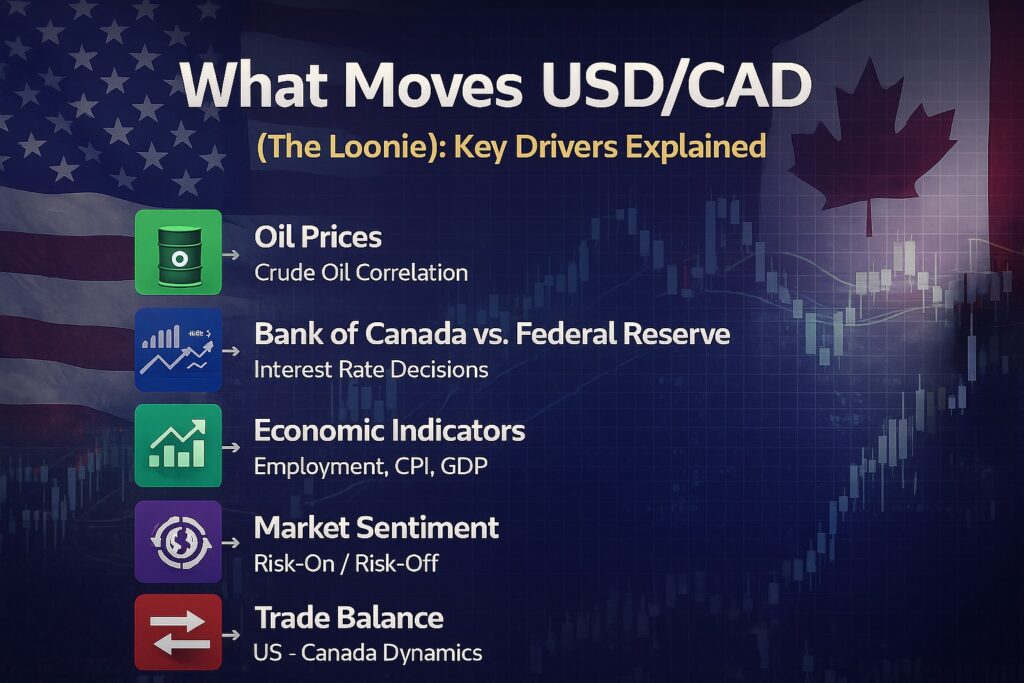
USD/CAD Trading Guide: The USD/CAD currency pair is called the ‘Loonie‘ in reference to the Canadian one-dollar coin and this is one of the most actively traded currency pairs This is the sixth most traded currency pair globally, it offers unique characteristics driven by oil prices, trade relationships, and interest rate differentials between neighboring economies
USD/CAD accounts for approximately 4% of daily forex volume according to the Bank for International Settlements, providing excellent liquidity and tight spreads throughout most trading sessions. The pair’s geographic proximity and extensive trade relationship create distinctive trading characteristics not found in other major pairs.
Canada exports roughly 75% of its goods to the United States, making the economies deeply interconnected. This relationship means US economic health directly impacts Canadian growth prospects, though the influence isn’t symmetrical—Canadian data has minimal impact on USD strength.
The pair’s inverted quotation (USD/CAD rather than CAD/USD) means rising prices indicate USD strength or CAD weakness, while declining prices show USD weakness or CAD strength. This inverse relationship sometimes confuses new traders accustomed to other currency pairs.
The Bank of Canada (BOC) manages Canadian monetary policy with a 2% inflation target, while the Federal Reserve controls US policy. Interest rate differentials between these central banks significantly influence USD/CAD trends, as explained in our Fundamental Analysis Guide.
Oil Prices: The Primary Driver
Canada ranks as the world’s fourth-largest oil producer and a major exporter to the United States. This makes the Canadian dollar highly sensitive to crude oil price movements. When oil prices rise, the CAD typically strengthens (USD/CAD falls). Conversely, declining oil prices usually weaken the CAD (USD/CAD rises).
This negative correlation between oil and USD/CAD approaches -0.80 during many periods, making it one of the strongest and most reliable relationships in forex markets. Track crude oil prices through West Texas Intermediate (WTI) and Brent Crude benchmarks when analyzing USD/CAD.
The Energy Information Administration (EIA) releases weekly crude oil inventory reports every Wednesday at 10:30 AM EST. These reports often trigger immediate USD/CAD volatility. Rising inventories suggest oversupply and typically pressure oil prices lower, supporting USD/CAD gains. Declining inventories indicate strong demand, often lifting oil prices and pressuring USD/CAD lower.
Oil production levels, OPEC decisions, and geopolitical events affecting energy markets all impact USD/CAD indirectly through their effect on crude prices. Our Economic Indicators and Forex guide covers how to interpret these fundamental factors.
Interest Rate Differentials and Monetary Policy
The interest rate differential between US and Canadian rates drives medium to long-term USD/CAD trends. When US rates exceed Canadian rates significantly, USD/CAD tends to rise as capital flows toward higher US yields. When Canadian rates offer premiums, USD/CAD typically declines.
The Federal Reserve and Bank of Canada don’t always move in lockstep. During periods of divergent monetary policy—when one central bank tightens while the other maintains or eases—USD/CAD often establishes strong trends. These divergence periods provide excellent opportunities for position traders using strategies covered in our Forex Trading Strategies guide.
BOC policy announcements occur eight times annually on predetermined dates. The central bank’s statement, updated economic projections, and Governor’s press conference all influence USD/CAD. Pay particular attention to the BOC’s language regarding future policy direction—terms like “considerable monetary policy stimulus” signal dovish bias supporting USD/CAD gains.
Federal Reserve decisions impact USD/CAD significantly given the USD’s role as the pair’s base currency. Hawkish Fed policy typically lifts USD/CAD, while dovish signals pressure it lower. Monitor Federal Reserve meeting minutes and official speeches through the Fed’s website for policy insights.
The United States-Mexico-Canada Agreement (USMCA), which replaced NAFTA, governs trade relationships between the three nations. Changes to trade policy, tariff disputes, or trade balance shifts between the US and Canada can influence USD/CAD, though these effects typically emerge gradually rather than causing immediate price spikes.
Canadian employment data releases from Statistics Canada move USD/CAD significantly. Employment reports typically publish on the first Friday of each month at 8:30 AM EST, sometimes coinciding with US Non-Farm Payrolls. Strong Canadian employment growth supports CAD strength (USD/CAD weakness), while weak employment pressures the CAD lower.
Canadian inflation data, particularly the Consumer Price Index, directly influences BOC policy expectations. Above-target inflation increases the probability of BOC rate hikes, typically pressuring USD/CAD lower. Below-target inflation suggests potential easing, supporting USD/CAD gains.
GDP releases from both countries provide quarterly economic health assessments. Stronger-than-expected US GDP typically supports USD/CAD gains, while robust Canadian growth pressures the pair lower. The Bureau of Economic Analysis (https://www.bea.gov) publishes US GDP data quarterly.
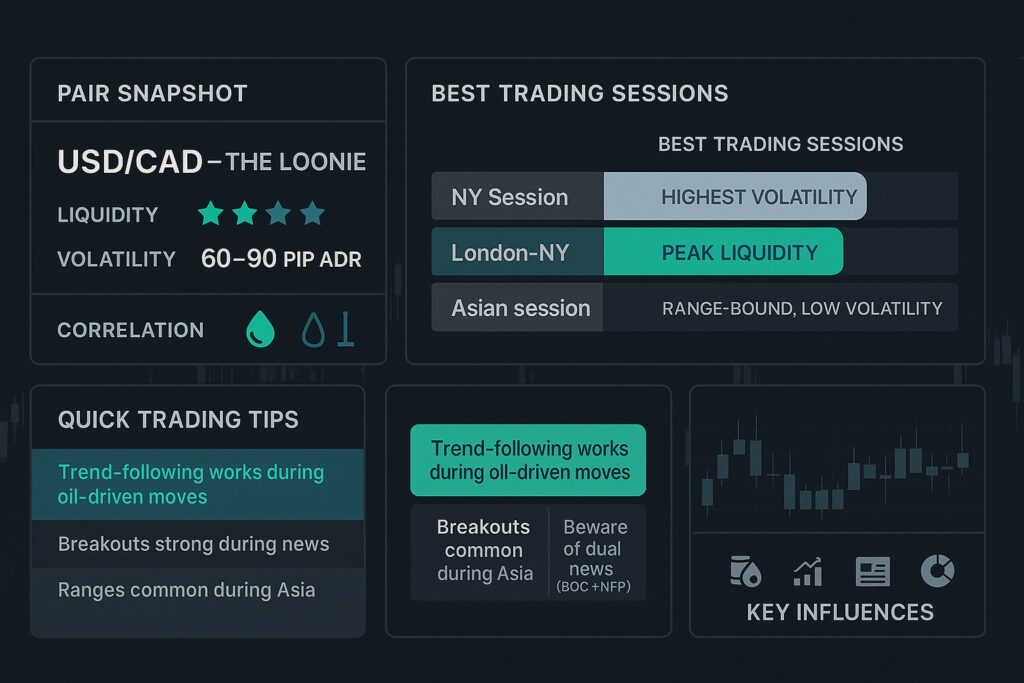
USD/CAD demonstrates varying behavior across trading sessions. The pair often consolidates during Asian hours as both North American markets remain closed. This overnight range-trading environment suits strategies detailed in our Range Trading Strategiesguide.
The London open at 3 AM EST brings increased volatility as European traders begin positioning. However, the most significant moves typically occur during North American hours when both USD and CAD markets actively trade.
The overlap between European and North American sessions from 8 AM to 12 PM EST generates peak liquidity. Major economic releases from both Canada and the US occur during this window, creating trading opportunities but also increased risk.
The New York afternoon from 1 PM to 5 PM EST sees continued activity, though volatility often moderates as European traders close positions ahead of their session end. Oil price movements during US trading hours frequently override other factors affecting USD/CAD.
Technical Analysis for USD/CAD
USD/CAD responds reliably to technical analysis. The pair respects major support and resistance levels, particularly psychological round numbers like 1.2000, 1.2500, 1.3000, and 1.3500. These levels often mark turning points and provide reference points for trade entries and exits, as detailed in our Support and Resistance Trading guide.
Moving averages work effectively across multiple timeframes. The 50-day and 200-day simple moving averages on daily charts frequently act as dynamic support and resistance. The 20-period exponential moving average on 4-hour charts helps identify short-term trend direction and provides entry signals when price approaches it during pullbacks.
Candlestick Patterns at key levels offer high-probability setups. Pin bars, engulfing patterns, and inside bars at support or resistance zones often precede significant moves. The pair’s liquidity ensures these patterns form cleanly without erratic price action.
The Average True Range (ATR) helps gauge volatility and set appropriate stop losses. USD/CAD’s ATR typically ranges from 50 to 80 pips on daily charts. During oil price volatility or major economic releases, ATR can spike to 100+ pips, requiring wider stops or reduced position sizes.
Fibonacci retracements identify potential pullback levels during trends. After significant moves, USD/CAD frequently retraces to the 38.2%, 50%, or 61.8% levels before resuming the primary trend. Combining Fibonacci levels with other technical factors increases setup reliability.
Oil-Based Trading Strategies
Monitor the correlation between crude oil and USD/CAD for trading signals. When oil prices break significant technical levels or respond to supply/demand news, USD/CAD often moves inversely. A crude oil breakout above resistance typically suggests USD/CAD will break below its corresponding support.
EIA inventory reports every Wednesday provide regular trading opportunities. Larger-than-expected inventory builds often pressure oil lower and support USD/CAD rallies. Inventory drawdowns typically lift oil prices and pressure USD/CAD lower. Position yourself before the 10:30 AM EST release using strategies from our Breakout Trading Strategies guide.
OPEC meetings and production decisions influence oil prices and USD/CAD. When OPEC announces production cuts, oil prices typically rally, pressuring USD/CAD lower. Production increases generally have the opposite effect. Follow OPEC announcements through the Organization of the Petroleum Exporting Countries (https://www.opec.org) official website.
Seasonal oil demand patterns create tradable USD/CAD trends. Summer driving season typically increases oil demand, potentially supporting oil prices and pressuring USD/CAD lower. Winter heating demand similarly affects oil markets and the Loonie.
Risk Management Considerations
USD/CAD’s average daily range of 60-90 pips requires appropriate position sizing. Using principles from our Risk Management guide, risk no more than 1-2% of account equity per trade. A 50-pip stop loss on a $10,000 account with 2% risk allows for approximately 4,000 units (0.04 lots).
Volatility spikes during major announcements require wider stops or reduced position sizes. BOC decisions, Canadian employment reports, and significant oil inventory surprises can move USD/CAD 100+ pips rapidly. Consider halving position size when trading these events.
Correlation awareness prevents overexposure. USD/CAD maintains negative correlation with crude oil and often positive correlation with USD/JPY. Holding multiple USD pairs simultaneously concentrates risk in USD direction. Review currency pair relationships in our Understanding Currency Pairs guide.
The pair’s sensitivity to oil prices adds unique risk dimensions. Geopolitical events affecting oil supply—Middle East tensions, pipeline disruptions, hurricane threats—can trigger sudden USD/CAD moves. Monitor energy market news through the EIA and industry sources.
Track these regular releases significantly impacting USD/CAD:
Canadian Employment Change occurs monthly, typically the first Friday at 8:30 AM EST. Strong employment growth supports CAD strength (USD/CAD weakness), while weak figures pressure the CAD lower. This often coincides with US Non-Farm Payrolls, creating dual-country volatility.
Bank of Canada Rate Decisions occur eight times annually on predetermined dates. Rate hikes typically pressure USD/CAD lower, while cuts support gains. The accompanying statement and economic projections often matter more than the rate decision itself.
EIA Crude Oil Inventories release every Wednesday at 10:30 AM EST. Larger builds typically support USD/CAD gains through oil price weakness. Inventory draws often pressure USD/CAD lower as oil prices rally.
US Non-Farm Payrolls on the first Friday of each month dominates trading. Strong US employment typically lifts USD/CAD, while weak figures pressure it lower. The Bureau of Labor Statistics publishes this influential report.
Canadian CPI releases monthly, typically around the third week. Above-consensus inflation supports CAD strength through BOC tightening expectations, while weak inflation pressures the currency lower.
Trend Following suits USD/CAD’s tendency to develop extended moves during oil price trends or monetary policy divergence. Use indicators like moving averages and ADX to identify and ride these trends. Our Trend Trading Strategies guide details effective trend-following techniques.
Breakout Trading capitalizes on momentum when USD/CAD breaks key technical levels. Major support or resistance breaks, particularly when confirmed by oil price movements or fundamental shifts, often lead to sustained moves.
Range Trading works during consolidation periods, particularly overnight during Asian hours. The pair often establishes clear ranges that persist through early European trading. Our Range Trading Strategies resource covers these opportunities.
News Trading around BOC decisions and employment reports offers high-reward potential with corresponding risk. Pre-position based on expectations, or wait for the release and trade the confirmed direction using momentum strategies from our News Trading Guide.
Advanced Trading Techniques
Divergence trading between oil and USD/CAD occasionally presents opportunities. When oil prices rise but USD/CAD fails to decline proportionally, this divergence suggests underlying USD strength or oil price skepticism. Conversely, when oil falls but USD/CAD doesn’t rally strongly, it indicates CAD resilience.
Yield spread analysis provides medium-term directional insights. Monitor the spread between 10-year US and Canadian government bonds. Widening spreads favoring US yields typically support USD/CAD gains, while spreads favoring Canadian yields pressure the pair lower.
Multi-timeframe analysis improves trade timing. Analyze daily charts for trend direction, 4-hour charts for swing entries, and 1-hour charts for precise timing. This approach ensures trades align with multiple timeframe confluences, increasing success probability.
Correlation trading with crude oil futures can create hedging opportunities. Advanced traders sometimes establish positions in both USD/CAD and crude oil to profit from or hedge relationship changes. This requires careful position sizing and correlation monitoring.
Seasonal Patterns and Trends
USD/CAD exhibits seasonal tendencies worth monitoring. The pair often strengthens during winter months when heating oil demand supports crude prices and the CAD. This pattern reflects increased energy consumption in the northern hemisphere.
Summer driving season typically increases gasoline demand, potentially supporting oil prices and the CAD. However, this pattern has weakened in recent years due to changing energy consumption patterns and alternative energy adoption.
Year-end and quarterly rebalancing by institutional investors sometimes creates temporary USD/CAD volatility. These flows typically have short-term impacts rather than establishing sustained trends.
The strong oil-USD/CAD correlation can create overconfidence. Traders sometimes rely too heavily on oil signals, missing interest rate differentials or risk sentiment shifts. Maintain balanced analysis across multiple factors rather than focusing exclusively on crude prices.
Patience during low-volatility periods proves essential. USD/CAD can consolidate for extended periods when oil prices stabilize and interest rate expectations remain unchanged. Forcing trades during these conditions leads to losses. Our Common Forex Trading Mistakes guide addresses recognizing when to step aside.
Maintain a Trading Journal tracking USD/CAD trades specifically. Note which factors dominated each trade—oil prices, interest rates, or technical setups. This analysis reveals which scenarios you handle most profitably.
Emotional discipline during oil market volatility remains crucial. Sudden crude price spikes or crashes can move USD/CAD violently. Pre-define risk parameters and adhere to them regardless of emotional impulses triggered by rapid price movements.
Building Your USD/CAD Trading Plan
Develop clear entry criteria incorporating technical, fundamental, and oil market analysis. Require multiple confirming signals before entering trades—perhaps a technical setup aligned with oil price direction and interest rate expectations. Our Creating a Forex Trading Plan guide provides comprehensive frameworks.
Define specific exit rules including profit targets and stop losses. Many successful USD/CAD traders target 1:2 or 1:3 risk-reward ratios, aiming for 80-120 pips of profit while risking 40-60 pips. Adjust these parameters based on current volatility as measured by ATR.
Establish position sizing rules that account for oil market volatility. During stable oil periods, trade standard sizes. During OPEC meetings, geopolitical tensions, or major EIA surprises, reduce position size by 50% to manage increased volatility risk.
Create pre-trade checklists ensuring you’ve analyzed relevant factors: current oil price trend, recent BOC and Fed commentary, upcoming economic events, technical setup quality, and any geopolitical developments affecting energy markets.
Broker Considerations
Select brokers offering competitive USD/CAD spreads, typically 0.8 to 2.0 pips with quality brokers. Spreads often widen during oil market volatility and major economic releases. Verify your broker’s spread behavior during these periods. Our How to Choose a Forex Broker guide covers selection criteria.
Execution quality matters particularly during news events. Test execution speed and slippage during EIA reports and BOC decisions using a demo account before committing real capital.
Verify your broker provides access to both North American economic calendars and real-time oil price data. Some platforms integrate crude oil charts alongside forex pairs, facilitating correlation analysis.
USD/CAD vs Other Major Currency Pairs
USD/CAD vs EUR/USD
Trading decisions between USD/CAD and EUR/USD often come down to your trading style and session preference. EUR/USD delivers the absolute tightest spreads available—you’ll pay 0.5-1.0 pips versus USD/CAD’s 1.0-2.0 pips. For scalpers hunting 5-10 pip moves, that spread difference makes EUR/USD the clear winner.
But here’s where USD/CAD earns its place in your watchlist: it trends more reliably and respects technical levels with remarkable consistency. Those horizontal support and resistance lines you draw actually matter on USD/CAD charts. EUR/USD can whipsaw through levels during ECB press conferences, but USD/CAD tends to honor key price zones until oil prices force a dramatic shift.
Session timing matters too. EUR/USD goes quiet during Asian hours, leaving little opportunity if that’s when you trade. USD/CAD maintains reasonable activity through North American evening hours since oil markets never truly sleep. Check crude oil inventory reports on your economic calendar—USD/CAD offers explosive trading opportunities every Wednesday at 10:30 AM ET when US oil data drops.
USD/CAD vs GBP/USD
Choose GBP/USD when you want action and don’t mind risk. Choose USD/CAD when you want clarity and well-defined trade setups. GBP/USD will regularly hand you 100+ pip range days with violent intraday reversals that stop out both bulls and bears. USD/CAD gives you cleaner 60-80 pip trending days where your stop placement actually makes sense.
The spread and volatility difference creates a critical strategic consideration. Your 40-pip stop on USD/CAD costs you 1.5-2.0 pips to enter. That same 40-pip stop on GBP/USD might get triggered by normal intraday noise, forcing you to use 60-80 pips instead. Wider stops mean smaller position sizes to maintain proper risk management.
For pure technical traders, USD/CAD’s range-bound nature creates beautiful bounce opportunities at established support/resistance. GBP/USD’s tendency to rip through levels means your support/resistance zones need wider margins. Track oil prices religiously when trading USD/CAD—a $5 crude oil rally can completely invalidate your technical setup as correlations override chart patterns.
USD/CAD vs USD/JPY
Here’s your decision matrix: Trade USD/JPY for round-the-clock opportunities and safe-haven flow setups. Trade USD/CAD for commodity correlation plays and North American session focus. USD/JPY remains active through Tokyo, London, and New York sessions, giving you three distinct trading windows daily. USD/CAD sleeps during Asian hours—your charts will look like a flatline from 8 PM to 2 AM ET.
Risk sentiment affects these pairs differently, creating divergence opportunities. During broad market selloffs, USD/JPY drops as traders pile into yen safety. USD/CAD’s response depends entirely on whether oil drops harder than risk currencies. If crude crashes while stock markets tumble, USD/CAD can surge even as USD/JPY falls—both moves driven by the same risk-off event but affecting different correlations.
Position sizing requires adjustment between these pairs. USD/JPY’s lower pip value (compared to USD/CAD at current exchange rates) means you can trade larger lot sizes for the same dollar risk. Set your position size calculator to account for this—a 50-pip stop on USD/JPY carries different dollar risk than 50 pips on USD/CAD.
USD/CAD vs USD/CHF
USD/CHF and USD/CAD both feature commodity-related currencies, but their trading characteristics diverge significantly. Swiss National Bank intervention risk makes USD/CHF dangerous at extreme levels—the SNB has proven willing to move markets with surprise announcements. Bank of Canada policy changes are telegraphed weeks in advance through speeches and meeting minutes.
USD/CAD offers superior liquidity during North American hours when most retail traders are active. USD/CHF liquidity peaks during European morning (3 AM – 8 AM ET), which doesn’t align with typical US/Canadian trader schedules. If you’re trading the New York session, USD/CAD’s tighter spreads and better fills during your active hours make it the practical choice.
Trend traders prefer USD/CAD’s clearer directional bias—when oil trends, USD/CAD trends in opposition. USD/CHF tends toward choppier ranges punctuated by sudden SNB-driven moves. Check the correlation: USD/CAD negative correlation with crude oil runs -0.80 to -0.90, creating reliable directional signals. USD/CHF correlations shift based on European financial stress and can flip unpredictably.
USD/CAD vs AUD/USD
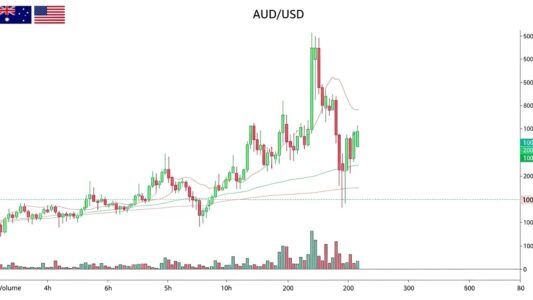
Trading AUD/USD or USD/CAD often comes down to session timing and correlation preference. Both pairs track commodity prices but through different commodities—AUD follows iron ore, coal, and gold, while CAD shadows crude oil. This creates portfolio diversification opportunities: you can trade both simultaneously without doubling up on identical exposure.
AUD/USD dominates during Asian session hours, offering trading opportunities while USD/CAD sleeps. If your trading window is 6 PM – 2 AM ET, AUD/USD delivers the volume and movement you need. Switch to USD/CAD when European and US sessions open for better liquidity and tighter spreads during those hours.
Risk management differs between these pairs. AUD/USD responds dramatically to Chinese economic data—a weak China PMI can drop AUD/USD 50+ pips in minutes. USD/CAD’s biggest volatility driver is oil inventory data every Wednesday. Mark both on your calendar and either trade the volatility or step aside. Never hold positions through these releases without stops in place.
USD/CAD vs NZD/USD
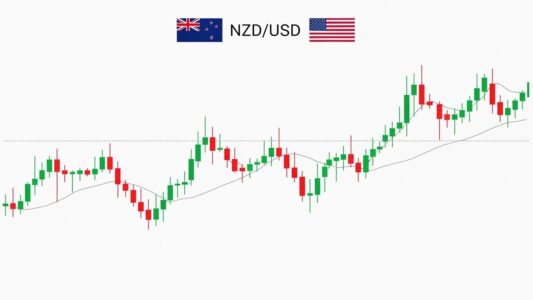
Compare NZD/USD and USD/CAD and you’ll find opposites in nearly every metric. NZD/USD runs on dairy prices and risk sentiment. USD/CAD runs on oil and North American economics. NZD/USD swings through 100+ pip ranges regularly. USD/CAD gives you more measured 60-80 pip daily ranges.
Here’s the strategic choice: Trade NZD/USD when you want maximum volatility and don’t mind wider stops. Trade USD/CAD when you want predictable ranges and reliable technical levels. Your account size might drive this decision—smaller accounts need the tighter stops and lower volatility of USD/CAD. Larger accounts can absorb NZD/USD’s bigger swings for potentially larger pip gains.
Session timing creates natural separation between these pairs. NZD/USD peaks during Wellington/Sydney sessions (5 PM – 2 AM ET). USD/CAD peaks during North American hours (8 AM – 5 PM ET). If you’re an active trader watching charts all day, this timing difference lets you trade NZD/USD overnight positions, then switch to USD/CAD day trades without overlap conflicts.
USD/CAD offers unique trading opportunities driven by oil prices, interest rate differentials, and the economic relationship between neighboring nations. Its liquidity, strong oil correlation, and clear fundamental drivers make it suitable for traders employing various strategies from scalping to position trading.
Success with the Loonie requires understanding its distinctive characteristics. Monitor crude oil prices religiously, track BOC and Federal Reserve policy carefully, stay informed about North American economic data, and recognize the pair’s role as an energy-sensitive instrument. Combine this fundamental awareness with solid technical analysis from our Forex Indicators Guide and disciplined risk management.
Whether trading short-term moves around EIA inventory reports, swing trading interest rate differentials, or holding longer-term positions aligned with oil price trends, USD/CAD provides the volatility and liquidity needed for profitable trading. Develop expertise in this pair’s unique drivers, maintain trading discipline, and continuously refine your approach through careful analysis and journaling.