The forex market operates continuously from Sunday evening through Friday afternoon, but not all trading hours offer equal opportunities. Understanding the three major forex trading sessions—Tokyo, London, and New York—enables you to align your trading strategy with optimal market conditions, liquidity, and volatility patterns.
Forex Trading Sessions: Understanding the 24-Hour Forex Market
Unlike stock markets with fixed opening and closing times, forex trading follows the sun around the globe. As one major financial center closes, another opens, creating a continuous trading cycle. This structure allows traders worldwide to participate at their convenience while creating distinct trading sessions with unique characteristics.
The Commodity Futures Trading Commission regulates U.S. forex markets and requires brokers to disclose trading hours and liquidity conditions. Understanding these sessions helps you navigate the market structure effectively.
The forex market begins its week when Sydney opens on Sunday evening Eastern Time and continues until New York closes on Friday afternoon. While Sydney and Wellington provide initial liquidity, the three dominant forex trading sessions—Tokyo, London, and New York—drive the majority of trading volume and price action.
The Tokyo Session (Asian Session)
The Tokyo session, often called the Asian session, opens at 7:00 PM EST and closes at 4:00 AM EST. This session sets the tone for the trading day and typically exhibits more measured price movements compared to later sessions.
Forex Trading Sessions: Key characteristics of the Tokyo session:
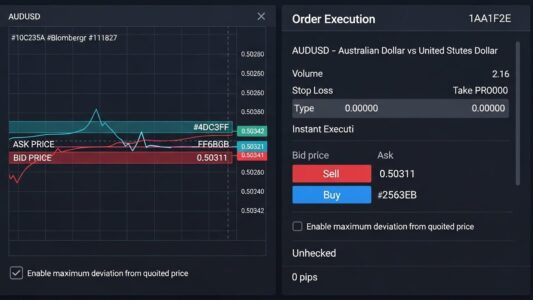
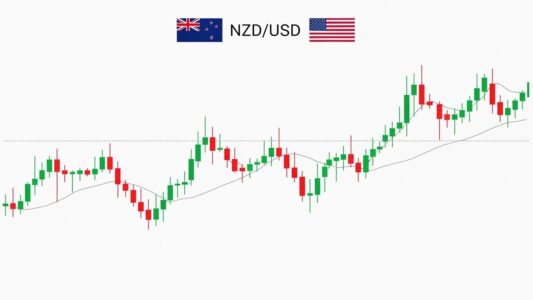
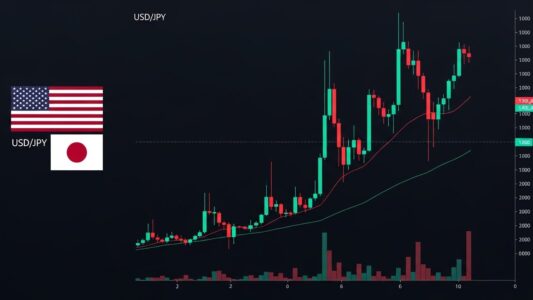
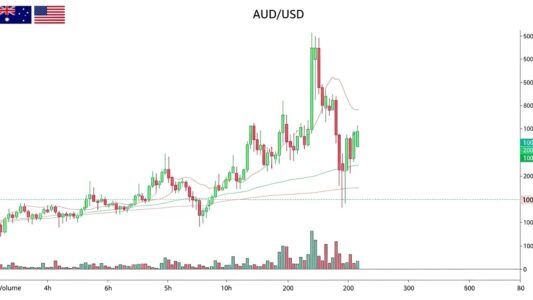
Currency pairs involving the Japanese yen, Australian dollar, and New Zealand dollar show the highest activity during these hours. USD/JPY, AUD/USD, and NZD/USD often establish daily ranges during the Tokyo session, with these ranges sometimes containing the day’s price action.
Volatility during the Tokyo session generally runs lower than London or New York sessions. Price movements tend to be more gradual, making this session suitable for range-trading strategies and traders who prefer steadier market conditions. The measured pace allows for careful entry and exit execution without the rapid price swings characteristic of other sessions.
Major economic data releases from Japan, Australia, New Zealand, and China typically occur during this window. These releases can spike volatility temporarily, creating short-term trading opportunities even within an otherwise quiet session.
The Tokyo session often sees institutional order flow from Asian corporations and financial institutions. This corporate flow sometimes creates steady directional moves, particularly in yen crosses, as companies execute regular currency hedging activities.
The London Session (European Session)
Opening at 3:00 AM EST and closing at 12:00 PM EST, the London session generates the highest trading volume of any single session. London’s position as the world’s largest forex trading center makes this session crucial for serious traders.
Key characteristics of the London session:
Liquidity surges when London opens, often creating volatility spikes as the market digests overnight developments and positions itself for the European trading day. The first hour frequently sees significant price movements as stop losses trigger and new positions establish.
European currency pairs—EUR/USD, GBP/USD, EUR/GBP, and EUR/CHF—dominate activity during London hours. These pairs often experience their largest daily ranges during this session, providing substantial profit potential for active traders.
Economic releases from the Eurozone, United Kingdom, Switzerland, and other European countries concentrate during London hours. These data points, particularly from the European Central Bank or Bank of England, can drive significant market reactions. The Financial Conduct Authority regulates London forex markets and requires transparent pricing during volatile periods.
Professional traders and institutional flow intensify during London hours. Banks, hedge funds, and commercial entities conduct substantial currency transactions, creating genuine price discovery and trending moves. This professional participation generally leads to cleaner technical patterns compared to thinner sessions.
The London session’s overlap with the end of the Tokyo session (3:00 AM – 4:00 AM EST) and the beginning of the New York session (8:00 AM – 12:00 PM EST) creates the market’s most liquid periods. These overlaps often produce the best trading conditions.
The New York Session (American Session)
Running from 8:00 AM EST to 5:00 PM EST, the New York session represents the Americas’ contribution to daily forex volume. As the world’s second-largest financial center for forex trading, New York activity significantly impacts all major currency pairs.
Key characteristics of the New York session:
The opening hours (8:00 AM – 12:00 PM EST) overlap with London, creating the market’s highest liquidity period. During this overlap, all major pairs exhibit tight spreads, substantial volume, and strong directional potential. More than 70% of daily forex volume can occur during this four-hour window.
U.S. economic data releases concentrate around 8:30 AM EST, including employment reports, GDP figures, inflation data, and Federal Reserve announcements. These releases often trigger the day’s most significant price movements, particularly in pairs involving the U.S. dollar.
After London closes at 12:00 PM EST, liquidity decreases noticeably. The afternoon session typically sees reduced volatility and range-bound trading, though end-of-day flows around 4:00-5:00 PM EST can create movement as positions square up.
The New York session strongly influences commodity currencies (CAD, AUD, NZD) due to U.S. economic data’s impact on commodity prices and risk sentiment. Crude oil, gold, and agricultural commodities trade actively during New York hours, affecting related currency pairs.
North American corporate flow and options activity peak during New York hours. Large currency options often have strike prices and expiries that influence spot price action, particularly near the 10:00 AM EST options cut.
Session Overlaps: Prime Trading Opportunities
The periods when two major sessions operate simultaneously create optimal trading conditions. Higher liquidity, tighter spreads, and stronger directional moves characterize these overlaps.
Tokyo-London Overlap (3:00 AM – 4:00 AM EST):
This brief one-hour overlap sees European traders entering as Asian markets wind down. While not as significant as the London-New York overlap, this period can produce movement in EUR/JPY, GBP/JPY, and other yen crosses as both European and Asian participants interact.
Volatility during this overlap typically remains moderate but can spike if significant news breaks or if carry trade dynamics shift suddenly. Traders focusing on yen crosses often monitor this period for breakout opportunities.
London-New York Overlap (8:00 AM – 12:00 PM EST):
This four-hour window represents the market’s absolute prime time. The combination of European and American participation creates maximum liquidity across all major pairs. Spreads tighten to their narrowest levels, allowing for efficient trade execution.
Approximately 70% of daily forex transactions occur during this overlap. Major trends often establish or accelerate during these hours, making it the preferred window for trend-following strategies. Breakouts from overnight ranges frequently occur shortly after New York opens.
U.S. data releases during this overlap receive immediate reaction from both European and American traders, amplifying volatility and follow-through. The depth of liquidity during this window allows large orders to execute without excessive slippage.
Professional traders consider the London-New York overlap essential for serious trading activity. The combination of volume, volatility, and liquidity provides the best risk-reward conditions for most trading strategies.
Matching Trading Strategies to Sessions
Different sessions suit different trading approaches. Aligning your strategy with appropriate session characteristics improves success probability.
Range Trading and the Tokyo Session:
The Tokyo session’s lower volatility and tendency toward range-bound trading favor strategies that profit from defined support and resistance levels. Pairs like AUD/JPY and NZD/JPY often establish ranges during Asian hours that hold throughout the session.
Range traders can sell resistance and buy support with relatively tight stops during Tokyo hours. The session’s measured pace allows for patient entry selection and reduces the risk of being stopped out by sudden volatility spikes.
Breakout Trading and the London Open:
The London opening frequently produces breakouts from overnight ranges as European traders establish positions. The first 30-60 minutes after London opens often see the day’s most significant directional moves.
Breakout traders position for moves beyond the Tokyo session’s high or low, targeting the increased volatility and volume that London’s opening provides. These breakouts often have strong follow-through due to the genuine liquidity backing them.
Trend Following and the London-New York Overlap:
The overlap’s high liquidity and strong directional tendency suit trend-following approaches. Trends established during this window often have the momentum and volume to sustain moves of 50-100+ pips.
Traders can enter on pullbacks within established trends, confident that the market depth will support continued movement. The presence of both European and American institutional flow provides the fuel for sustained trending action.
News Trading and Economic Releases:
Economic data releases concentrate during specific session windows. U.S. employment data at 8:30 AM EST during the London-New York overlap, European inflation data during early London hours, and Japanese data during the Tokyo session create structured news trading opportunities.
News traders prepare positions before releases or wait for initial reactions to fade before entering with the sustained move. The National Futures Association requires disclosure of risks associated with news trading, including slippage and rapid price movements.
Session-Specific Currency Pair Selection
Certain currency pairs perform best during specific sessions, aligning with their economic centers’ active hours.
Tokyo Session Best Pairs:
- USD/JPY: Highest liquidity during Asian hours
- AUD/USD: Australian economic data and Asian risk sentiment
- NZD/USD: New Zealand’s economic calendar aligns with Tokyo hours
- AUD/JPY and NZD/JPY: Carry trade dynamics active during Asian session
London Session Best Pairs:
- EUR/USD: Europe’s most important pair peaks during London hours
- GBP/USD: British pound’s home session provides optimal liquidity
- EUR/GBP: Both currencies’ home session creates tight spreads
- EUR/CHF and EUR/JPY: Strong European institutional flow
New York Session Best Pairs:
- USD/CAD: North American economies and crude oil correlation
- USD/JPY: Continues strong from Tokyo into New York hours
- EUR/USD: Maintains liquidity through the London-New York overlap
- Gold and silver: Commodity trading peaks during New York hours
Trading a currency pair during its most active session provides tighter spreads, better liquidity, and more reliable technical patterns. Conversely, trading EUR/USD during the Tokyo session often produces choppy, range-bound conditions with wider spreads.
Weekly Patterns and Session Trading
Beyond daily sessions, weekly patterns influence trading conditions. Monday mornings often see position squaring from weekend gap concerns, while Friday afternoons experience reduced liquidity as traders close positions ahead of the weekend.
Monday Characteristics:
Sunday evening (Monday morning in Asia) typically opens with gaps if weekend news occurred. The Tokyo session on Monday often sees cautious trading as participants assess the week’s opening sentiment. London’s Monday opening can be particularly volatile as European traders react to weekend developments.
Mid-Week Optimal Conditions:
Tuesday, Wednesday, and Thursday generally provide the best trading conditions. Market participants are fully engaged, economic data flows regularly, and liquidity remains strong throughout sessions. These days suit all trading strategies and experience fewer anomalous moves.
Friday Considerations:
Friday mornings often see active trading as the week’s final positioning occurs. However, Friday afternoons, particularly after 12:00 PM EST when London closes, can become illiquid and choppy. Many professional traders reduce positions or close entirely ahead of weekend risk.
Month-end and quarter-end Fridays experience additional flows from institutional portfolio rebalancing. These flows can create strong directional moves even during typically quiet Friday afternoon hours.
Time Zone Management for Global Traders
Your local time zone significantly affects which sessions align with your schedule. Strategic session selection based on your availability optimizes trading efficiency.
Asian Traders:
Traders in Asia enjoy optimal access to the Tokyo session but face challenging hours for London and New York. Many Asian-based traders focus on yen pairs, Australian and New Zealand dollars, and early London openings that occur during their afternoon hours.
European Traders:
European traders have natural access to the London session and can catch the London-New York overlap in their afternoon. This positioning provides access to the market’s most liquid period with reasonable hours. Many European professionals focus their active trading on this overlap period.
American Traders:
U.S.-based traders benefit from convenient access to the entire New York session and the London-New York overlap. However, the Tokyo session requires very early morning or late-night trading. Many American traders focus exclusively on the 8:00 AM – 12:00 PM EST overlap window.
Regardless of location, successful traders often adapt their schedules to access the London-New York overlap, even if it means early morning or late evening trading. The superior liquidity and volatility conditions during this window justify schedule adjustments for serious traders.
Technology and Session Trading
Modern trading platforms display multiple time zones and session hours, helping traders coordinate activity with optimal market conditions. Most professional platforms include:
Session indicators showing Tokyo, London, and New York hours visually on charts help traders quickly identify which session they’re trading. These indicators often color-code sessions for easy reference.
Economic calendars filtered by session and currency show upcoming data releases relevant to your trading focus. Planning entries and exits around known data releases prevents unexpected volatility from disrupting positions.
Average True Range (ATR) indicators reveal typical volatility by session. Comparing current volatility to session averages helps identify whether conditions are quieter or more active than normal, influencing position sizing and stop placement.
Common Session Trading Mistakes
Understanding what to avoid helps traders navigate session-based strategies more effectively.
Trading the wrong session for your strategy: Attempting to scalp during the quiet Tokyo session or range trade during the volatile London-New York overlap misaligns strategy with conditions. Match aggressive strategies to liquid, volatile sessions and conservative approaches to quieter periods.
Ignoring session transitions: The shift from one session to another often produces price reversals or consolidation as different groups of traders take control. Positions established late in one session may face unexpected reversals when the next session opens with different sentiment.
Overtrading during overlaps: The excitement and movement during session overlaps tempt traders to overtrade. The increased volatility should prompt more selective entry, not more frequent trading. Quality setups during overlaps can move quickly, but forcing trades reduces overall performance.
Neglecting session-specific risks: Each session carries unique risks. Tokyo session risk includes thin liquidity during certain hours. London opening risk includes gap-like moves from overnight news. New York afternoon risk includes diminishing liquidity and choppy price action.
Adapting to Daylight Saving Changes
Twice yearly, daylight saving time changes affect session timing for U.S.-based traders. When the U.S. shifts to daylight saving but Europe has not (or vice versa), session overlap times change by one hour. Traders must adjust their session indicators and trading schedules during these transitional weeks.
Professional trading platforms typically adjust automatically, but manually confirming your platform’s session times after daylight saving changes prevents mistimed entries or missed opportunities.
Conclusion
Forex trading sessions provide structure to the 24-hour market, creating predictable patterns of liquidity and volatility. The Tokyo session offers measured trading conditions suitable for range strategies. The London session delivers the highest volume and strongest trends. The New York session combines with London to create the market’s optimal trading window.
Successful traders align their strategies with appropriate sessions, trade currency pairs during their most active hours, and prioritize the London-New York overlap for their most important trades. Whether you’re a scalper requiring tight spreads and high liquidity or a swing trader seeking sustained trends, understanding session dynamics helps you trade when conditions favor your approach.
As you develop your trading strategy, experiment with different sessions to discover which timeframes and pairs suit your personal schedule and trading style. The consistent patterns within each session provide reliable frameworks for strategy development, while the overlap periods offer the liquidity and movement that serious traders need for consistent success.