Forex trading, also known as foreign exchange trading, involves buying one currency while selling another in order to profit from changes in exchange rates. For beginners learning how to trade forex, understanding how the market works is essential before placing real trades. While the concept is simple, successful forex trading requires risk management, discipline, and practice using demo accounts.
Although forex trading is accessible to individuals with relatively small capital, it also involves significant risk. Understanding how the market works and how to trade forex before placing real trades is essential.
How the Forex Market Works
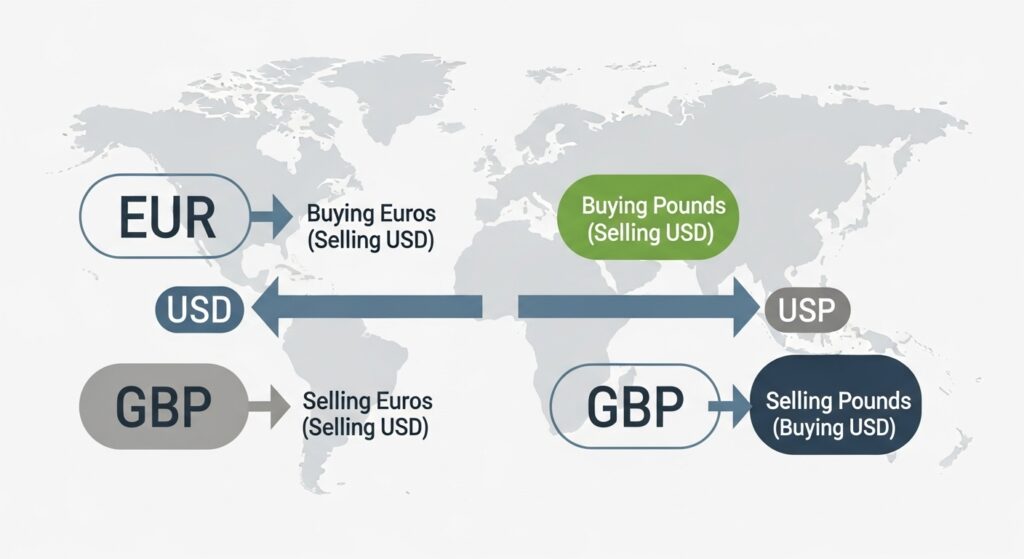
In forex trading, currencies are traded in pairs, such as EUR/USD or GBP/USD. When you buy a currency pair, you are buying the base currency and selling the quote currency. If the exchange rate moves in your favor, you can close the trade at a profit. If it moves against you, you incur a loss.
Forex markets are influenced by:
- Economic data and interest rates
- Central bank policies
- Political events and global news
- Market sentiment and liquidity
Because price movements can happen quickly, risk management is a core skill every trader must learn.
Learning the Basics Before Trading
Before risking real money, traders should focus on learning:
- How currency pairs are quoted
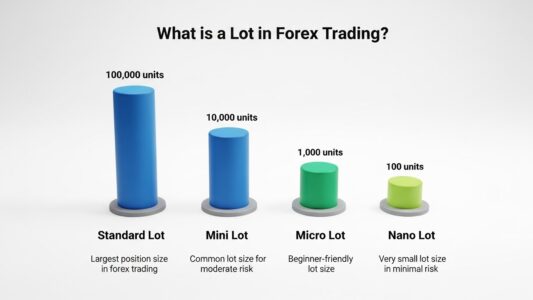
- What pips, lots, and leverage mean
- How margin works
- How to place and manage orders
Many brokers offer demo accounts, which allow you to practice trading with real market data but without financial risk. Using a demo account helps you understand platform mechanics, order execution, and market behavior.
Choosing a Forex Broker
Selecting a reputable broker is a critical step. Look for brokers that:
- Are regulated in their operating jurisdiction
- Offer transparent pricing and execution
- Provide educational tools and demo accounts
- Support reliable trading platforms
Avoid brokers or services that promise guaranteed profits or “risk-free” trading. Forex trading always involves uncertainty.
Trading Approaches: Technical and Fundamental Analysis
Forex traders generally use one or both of the following approaches:
- Technical analysis focuses on price charts, indicators, and patterns to identify potential trade setups.
- Fundamental analysis evaluates economic data, interest rates, and macroeconomic factors that influence currency values.
Many traders combine both methods to form a balanced trading strategy.
Managing Risk as a Beginner
Risk management is more important than finding winning trades. Beginner traders should:
- Risk only a small percentage of their account per trade
- Use stop-loss orders consistently
- Avoid excessive leverage
- Keep records of trades to learn from results
Starting small and focusing on consistency helps reduce emotional decision-making.
Gaining Experience Over Time
As confidence grows, traders gradually refine their strategies, position sizing, and trade execution. Progress in forex trading comes from disciplined practice, not rushing into larger trades.
Education, patience, and risk control are what separate long-term traders from short-term speculators.
New to Forex Trading?
If you’re just getting started, we recommend beginning with our complete beginner guide that explains how forex trading works, key concepts, and what every new trader should know.