Learn How to Make Fast Money by Learning diffrent Strategies in Forex Trading and Different Investment Options
Vietnamese Dong: Why It Keeps Falling and What Drives Its Value
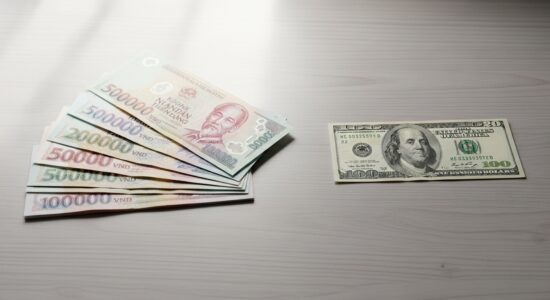
The Vietnamese dong has been weakening against the US dollar for years, and the trend hasn’t slowed. From around 23,000 per dollar in 2022, to 24,283 in late 2024, to roughly 26,200 by April 2026 — the trajectory has been steady downward. For traders, investors, and anyone watching emerging market currencies, the dong tells a useful story about how a managed currency adapts to global pressure.
This guide breaks down what’s driving the Vietnamese dong’s depreciation, how Vietnam’s currency system actually works, and what the realistic outlook looks like from here.
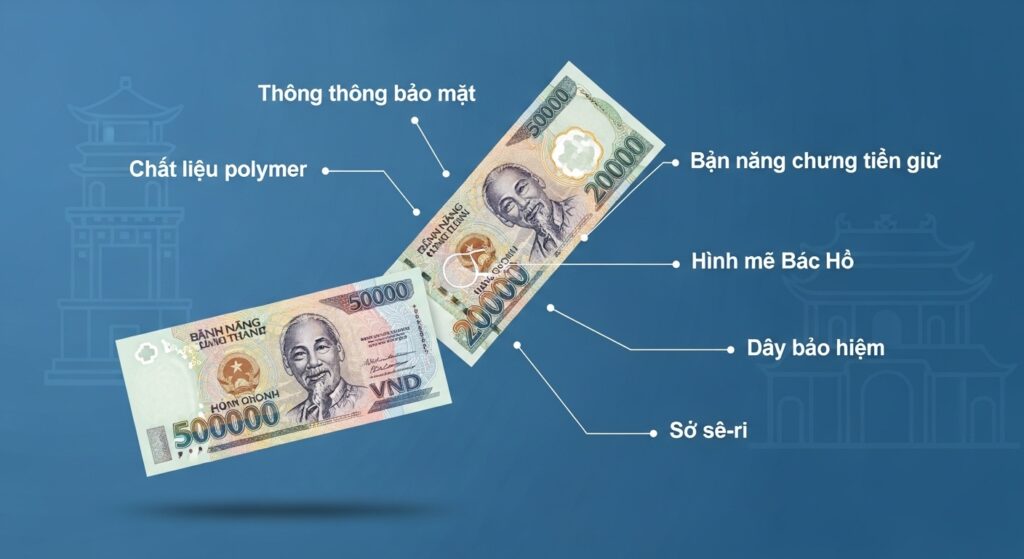
The Vietnamese dong (currency code VND, symbol ₫) is the official currency of Vietnam, issued and managed by the State Bank of Vietnam (SBV). It operates under a managed floating exchange rate system — the dong’s value moves with market forces, but the central bank intervenes to keep movement orderly and within a targeted range.
Unlike fully floating currencies like the euro or yen, the dong doesn’t trade freely. The SBV sets a daily reference rate against the US dollar and allows trading within a 5% fluctuation band around that rate. When market pressure pushes the dong toward the edges of that band, the central bank steps in — selling foreign reserves to support the dong, or letting the reference rate slide gradually to release pressure.
This kind of managed depreciation is common in emerging Asian economies. It gives the central bank control while still allowing the currency to adjust to economic realities.
The Long-Term Decline of the Vietnamese Dong
The dong’s weakening isn’t a recent story. It’s been a multi-year pattern.
In late 2024, the dong hit what was then a record low of 24,283 per US dollar — a milestone that prompted concern at the time. By December 2025, it had pushed past 25,500. As of April 2026, the rate sits near 26,200 VND per USD, and forecasts from major banks and currency analysts point to further weakening through the rest of the year.
Several things are driving this.
US Dollar Strength
The biggest single factor isn’t anything happening in Vietnam — it’s what’s happening in the United States. When the Federal Reserve raises interest rates or holds them at elevated levels, capital flows toward the US dollar in search of better returns. That pulls money out of emerging market currencies, including the Vietnamese dong.
The Fed’s policy stance has been one of the most important variables in the dong’s depreciation. As long as US rates remain higher than Vietnam’s, the pressure on the dong continues.
Inflation Differentials
Vietnam’s inflation rate sits around 4-5% annually, while US inflation has been closer to 2-3%. Over time, that gap erodes the dong’s purchasing power relative to the dollar. Currencies of countries with persistently higher inflation tend to weaken against currencies of countries with lower inflation — it’s basic economics, and the Vietnamese dong is feeling it
Trade Competitiveness
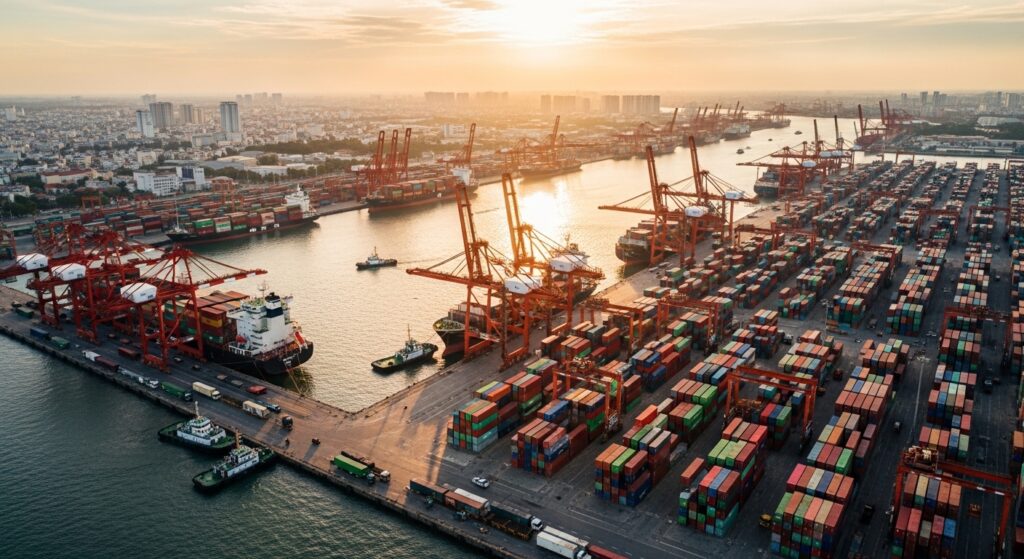
Vietnam’s economy is heavily export-driven. A weaker dong actually helps Vietnamese exporters by making their goods cheaper for foreign buyers. The State Bank of Vietnam knows this, and a managed depreciation supports the country’s trade competitiveness without triggering panic.
This is part of why the SBV allows gradual weakening rather than fighting every move. A stable dong sounds nice in theory, but for an export economy, a slightly weaker currency keeps factories busy and the economy growing.
Foreign Exchange Reserves
Defending a currency costs money. To prop up the dong, the SBV would need to sell foreign reserves and buy dong in the open market. Vietnam’s reserves are healthy but finite, and the central bank has been careful about depleting them on a fight it might not win.
How the Vietnamese Dong Compares to Other Asian Currencies
The dong isn’t depreciating alone. The Chinese yuan, Japanese yen, and Korean won have all weakened against the US dollar over the past few years. Regional central banks — including the People’s Bank of China — have been adjusting policies in response to dollar strength.
What sets the dong apart is the degree of central bank control. The yuan operates under a similar managed system, but with even tighter intervention. The yen and won float more freely. The dong sits in the middle: managed enough to avoid sharp moves, free enough to reflect underlying pressure.
For traders watching emerging Asian currencies, the dong’s behavior often signals broader regional sentiment. When the dong depreciates faster than the SBV’s preferred pace, it usually means the region as a whole is under pressure.
Vietnam’s Economy Behind the Currency
A currency reflects the country issuing it, and Vietnam’s economic story is mostly positive despite the weakening dong.
Vietnam targeted 10% GDP growth in 2026 — an ambitious number, and one of the highest in Asia. First-quarter 2026 growth came in at 7.83%, foreign direct investment rose 9.1% in Q1, and tourism continues to recover. Manufacturing remains the country’s economic engine, with Vietnam increasingly positioned as an alternative to China for global supply chains.
So why is the currency weakening if the economy is strong? Because currency value isn’t just about domestic growth. It’s about relative attractiveness compared to alternatives — and as long as the US dollar keeps offering higher yields and global safe-haven demand, capital flows will favor it over emerging currencies, regardless of how well Vietnam itself is doing.
What’s Next for the Vietnamese Dong?
Most analyst forecasts see the Vietnamese dong ending 2026 in the 25,800-26,500 VND per USD range. That’s roughly 2-3% additional depreciation from current levels — meaningful, but orderly.
A few variables could shift that outlook:
Federal Reserve policy is the biggest external factor. If the Fed cuts rates aggressively in response to a US economic slowdown, dollar strength would ease and emerging currencies including the dong could stabilize or even rally. If the Fed holds rates higher for longer, the dong could push toward the upper end of forecasts.
Vietnam’s inflation trajectory matters too. If inflation cools toward the 3% range, the SBV gains room to hold the dong steadier. If inflation accelerates, depreciation could continue at a faster pace.
Trade dynamics are a wild card. Tariffs, supply chain shifts, and global manufacturing trends all affect Vietnam’s export competitiveness — which in turn shapes what the SBV wants the dong to do.
The digital dong (e-VND) is a longer-term factor. Vietnam launched a pilot program for a digital version of the currency in 2025, and the project is expected to expand through 2026-2027. Central bank digital currencies don’t directly affect exchange rates, but they signal modernization that can influence international confidence in the dong.
Trading the Vietnamese Dong
For most retail forex traders, the Vietnamese dong isn’t a primary trading currency. USD/VND isn’t a major or minor pair — it’s an exotic, with wider spreads, less liquidity, and more volatility than majors like EUR/USD. Most retail brokers don’t even offer it.
If you’re considering currency trading and looking at exotic pairs, our currency trading guide and forex broker selection guide cover what to look for. And before trading any exotic pair, the currency trading tips for beginners apply doubly — exotics punish mistakes harder than majors do.
For Vietnamese expatriates, businesses operating in Vietnam, or investors with VND exposure, hedging tools are available through major banks and currency specialists. The point isn’t to predict every move — it’s to manage exposure as the Vietnamese dong continues its managed decline.
The Bottom Line
The Vietnamese dong has been weakening for years, and the trend is likely to continue at a managed pace. It’s not a crisis — it’s a deliberate policy outcome that supports Vietnam’s export economy and reflects ongoing US dollar strength. Anyone watching the dong should track Federal Reserve policy, Vietnam’s inflation, and SBV intervention patterns more than any single exchange rate level.
For traders, the dong is an exotic currency that requires specialized brokerage access and a cautious approach. For everyone else, it’s a useful window into how emerging market currencies adapt to global financial conditions in real time.
Disclaimer: Currency trading involves substantial risk of loss and isn’t suitable for everyone. The information here is for educational purposes only and shouldn’t be taken as investment advice. Exchange rate forecasts are projections based on current conditions and may not reflect future results. Never trade with money you can’t afford to lose.