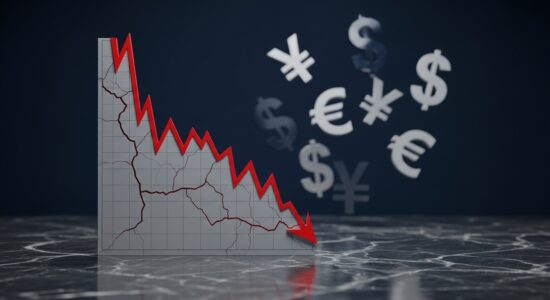
Learn How to Make Fast Money by Learning diffrent Strategies in Forex Trading and Different Investment Options
Good Assets to Have During Bad Economic Times
Economic downturns, recessions, and market crashes are an unavoidable part of the financial cycle. While they can be damaging to poorly positioned portfolios, investors who hold the right assets can protect their wealth — and even find opportunities to grow it. Knowing which are the best good assets to have during bad economic times is one of the most valuable skills any investor can develop.
In this guide we cover the best good assets to have during bad economic times and how to use them to protect your wealth
1. Gold and Precious Metals: Good Assets to Have During Bad Economic Times
Gold is widely considered the ultimate safe haven asset. During recessions and periods of economic uncertainty, investors move money out of stocks and into gold because it holds intrinsic value independent of any government or central bank policy.
Silver, platinum, and other precious metals also perform well during downturns, though gold tends to be the most stable. Gold is one of the most reliable good assets to have during bad economic times because it has maintained purchasing power for thousands of years.
According to the World Gold Council, gold has consistently outperformed during periods of economic stress
2. U.S. Treasury Securities
Treasury bonds, notes, and bills are backed by the full faith and credit of the U.S. government, making them one of the safest investments available. When stock markets fall, investors typically move into Treasuries, which drives prices up and provides stability to portfolios.
Treasury Inflation-Protected Securities (TIPS) are especially useful during inflationary recessions because their value adjusts with inflation, protecting your purchasing power.
You can purchase Treasury securities directly through TreasuryDirect, the official U.S. government platform
Treasury securities are among the most dependable good assets to have during bad economic times for conservative investors.
3. Cash and Cash Equivalents
Holding cash during a downturn gives you flexibility. While cash earns little return, it preserves capital and allows you to buy undervalued assets at lower prices when markets recover. Money market funds and short-term CDs are good cash equivalents that offer slightly better returns while remaining liquid.
Cash is one of the most underrated good assets to have during bad economic times — not because it grows, but because it protects and positions you for the recovery.
4. Forex Trading
Currency markets offer unique opportunities during economic downturns. When one economy weakens, its currency typically falls against stronger currencies — creating tradable opportunities for forex investors.
Safe haven currencies like the U.S. Dollar (USD), Swiss Franc (CHF), and Japanese Yen (JPY) tend to strengthen during global uncertainty as investors seek stability. Trading these pairs during bad economic times can generate returns even when stock markets are falling.
Not all economies are affected equally by a recession. When developed markets slow down, some emerging markets continue to grow. Spreading your portfolio across international stocks, mutual funds, or ETFs reduces your exposure to any single economy.
International diversification is a core strategy for building a recession-resistant portfolio. Look for countries with strong fundamentals, low debt, and stable governments.
6. Defensive Stocks and Dividend Payers
Certain industries hold up better than others during recessions — healthcare, utilities, consumer staples, and essential services tend to maintain revenue even when consumers cut back on spending. Companies in these sectors that pay consistent dividends provide income even when stock prices fall.
Dividend-paying stocks are reliable good assets to have during bad economic times because they generate cash flow regardless of market conditions.
7. Real Estate
Real estate can be a strong inflation hedge and income generator during economic downturns, particularly rental properties. While property values may dip during a recession, rental demand often increases as people who lose homes become renters.
Real estate investment trusts (REITs) offer exposure to real estate without requiring direct property ownership and can be bought and sold like stocks.
Real estate remains one of the most tangible good assets to have during bad economic times when held for the long term
How to Build a Recession-Resistant Portfolio
The key to weathering bad economic times is diversification — spreading your investments across multiple asset classes so that no single downturn destroys your entire portfolio. A balanced recession-resistant portfolio might include:
20–30% gold and precious metals
20–30% Treasury bonds or TIPS
10–20% cash or cash equivalents
10–20% defensive stocks with dividends
10–20% forex or international diversification
10% real estate or REITs
Review your allocation annually and rebalance when needed.
Bottom Line
The best good assets to have during bad economic times share common traits — they hold intrinsic value, generate income, or provide stability when markets are volatile. Gold, Treasuries, cash, forex, and defensive stocks are your strongest tools for protecting wealth during a downturn. The time to prepare is before the recession hits, not after.
Risk Warning: All investments carry risk. This article is for informational purposes only and does not constitute financial advice. Consult a qualified financial advisor before making investment decisions.