Learn How to Make Fast Money by Learning diffrent Strategies in Forex Trading and Different Investment Options
National Futures Association (NFA): What Forex Traders Need to Know
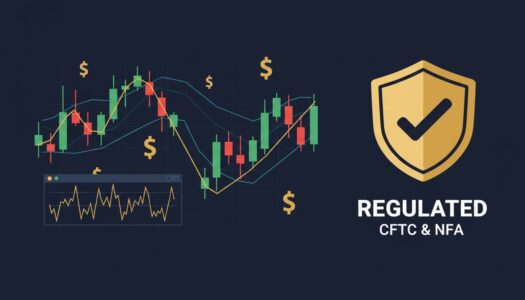
If you trade forex in the United States, the National Futures Association (NFA) is one of the most important organizations protecting your money. Founded in 1982, the National Futures Association (NFA) is the self-regulatory body for the U.S. futures and forex markets — and any broker offering forex services to U.S. retail traders is required to be registered with it.
This guide explains what the NFA does, why registration matters, and how to use the NFA’s free lookup tool to verify whether your broker is legitimate.
The National Futures Association (NFA) is an industry-wide, self-funded regulatory organization that operates under the oversight of the Commodity Futures Trading Commission (CFTC). It was established by Congress to protect investors in the futures and derivatives markets, and its membership includes forex dealers, commodity trading advisors, commodity pool operators, and introducing brokers.
Unlike government agencies, the NFA is funded entirely by membership dues and assessment fees paid by its registered members — meaning it operates at no cost to taxpayers.
What Does NFA Registration Require?
Every firm or individual conducting business with retail investors in the U.S. futures or forex markets must register with the NFA before they can legally operate. Registration is not automatic — applicants must meet a strict set of requirements:
Background screening — All applicants undergo a background check before they can conduct business with the public. This includes submitting fingerprint cards for FBI verification.
Proficiency testing — Members must pass required qualification exams relevant to their role.
Ongoing compliance — Registered members are subject to regular audits and must follow the NFA’s strict rules of professional conduct at all times.
The NFA has the authority to deny registration to any applicant whose background or qualifications do not meet its standards.
How the NFA Protects Forex Traders
NFA registration is one of your strongest protections as a U.S.-based forex trader. Here is what it means in practice:
Audits and monitoring. The NFA conducts regular audits of registered members to ensure they are following all rules and regulations. If a firm falls out of compliance, the NFA can take enforcement action.
Complaint investigation. If you have a complaint against a registered broker, the NFA will investigate it. Members found to have violated NFA rules face penalties that can include fines, suspension, or permanent expulsion from the industry.
Dispute resolution. The NFA operates an arbitration program for resolving futures-related disputes, as well as a faster mediation program for cases where both parties agree to participate. Claims can be filed directly through the NFA’s website.
Prosecution of fraud. For serious violations, the National Futures Association (NFA) works in coordination with the CFTC and the FBI to pursue criminal prosecution.
How to Verify Your Forex Broker’s NFA Registration
The NFA provides a free public database called the Background Affiliation Status Information Center (BASIC). You can use it to instantly look up whether any forex broker, trading advisor, or firm is currently registered and in good standing.
Before you fund any trading account, this should be one of your first steps. A broker that cannot be found in BASIC — or whose registration has been suspended — is a serious red flag.
NFA vs. CFTC: What Is the Difference?
The CFTC (Commodity Futures Trading Commission) is the federal government agency that oversees the futures and forex markets at the national level. The NFA is the self-regulatory organization that works alongside the CFTC to enforce rules at the industry level.
Think of it this way: the CFTC sets the laws, and the NFA enforces day-to-day compliance among its members. Both play a critical role in keeping U.S. forex markets safe for retail traders.
The National Futures Association NFA is a critical layer of protection for anyone trading forex in the United States. NFA registration means a broker has passed background checks, meets capital requirements, is subject to regular audits, and can be held accountable for misconduct. Always verify your broker’s NFA status before depositing funds — it takes less than a minute and could save you from significant financial loss.
New to forex trading? Start with our How to Trade Forex beginner’s guide to learn the fundamentals before opening a live account.
Risk Warning: Forex trading involves a high level of risk and may not be suitable for all investors. You could lose part or all of your invested capital. Always trade with a regulated broker.