What country combines stunning natural beauty, a Mediterranean lifestyle, EU membership, and property prices that still sit well below those of France, Italy, or Spain — while outpacing virtually every European market in annual price growth? The answer has been the same for more than two decades, and the data still backs it up: Croatia is best country in Europe for Real Estate Investment. For investors comparing options across the globe, real estate investing rarely offers a combination this compelling at current price levels.
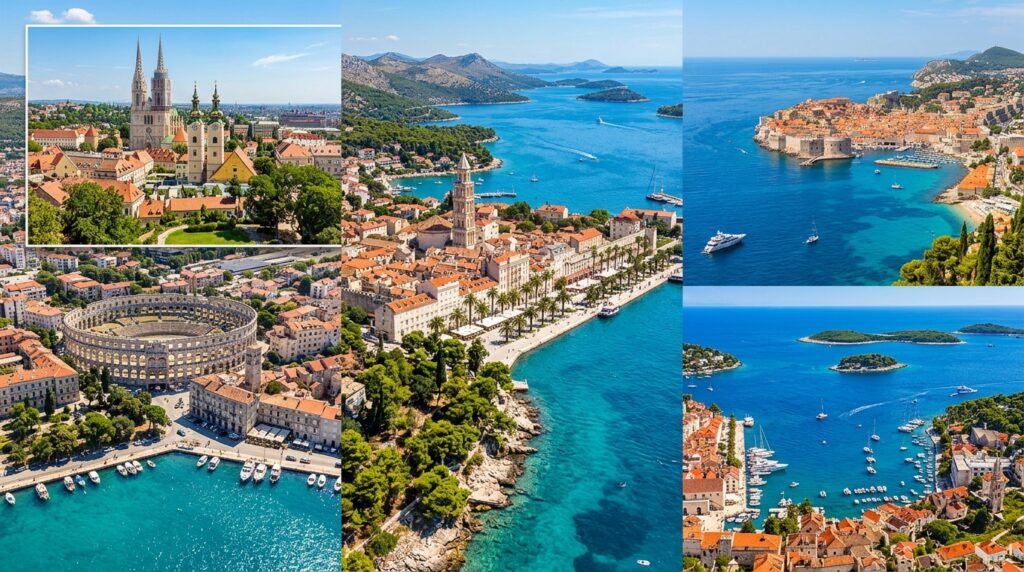
Croatia occupies a stretch of the Adriatic coast that most Europeans consider the most beautiful on the continent. The country has over 1,185 islands, a mainland coastline of nearly 1,800 kilometres, and five UNESCO World Heritage sites along the Adriatic shore alone. Most of the islands receive more than 2,600 hours of sunshine annually. Dubrovnik, Split, Hvar, and the Istrian Peninsula draw millions of tourists each year, and that sustained tourism demand is precisely what makes Croatian real estate so attractive to investors: the occupancy rates are there, the infrastructure is improving, and the market keeps growing to make it the best country in Europe for Real Estate Investment.
A Market That Continues to Outperform Europe
Croatia’s property prices rose 16.1% in 2025, making it one of the fastest-growing real estate markets in the entire European Union. To put that in context, the EU-wide average that same year was 5.5%. Only Hungary and Portugal recorded higher growth rates. Coastal regions led the way, with Split and Dubrovnik posting annual increases in the range of 10 to 13%, while new builds across the country rose 14.7% year on year.
Croatia now sits alongside Portugal and Spain as one of the most actively targeted European markets by global real estate investors seeking both yield and long-term capital growth.
Foreign buyers accounted for over 8% of all transactions in 2025, totalling nearly 9,500 purchases — a figure driven largely by buyers from Germany, Austria, Slovenia, the Czech Republic, and increasingly from North America. The demand is not speculative tourism curiosity; it is sustained investment activity, concentrated in the coastal markets and driven by a combination of lifestyle appeal and measurable rental returns.
Gross rental yields on Croatian coastal properties averaged around 4.4% in late 2025, with higher returns in properties managed as long-term rentals rather than short-term holiday accommodation — a shift the government is actively encouraging through new tax policy (more on that below).
Croatia in the European Union — and on the Euro
Croatia joined the European Union in 2013, which resolved the question of property rights for European investors once and for all. EU and EEA citizens now enjoy exactly the same property acquisition rights as Croatian nationals. There is no Ministry approval process, no waiting period, and no restriction on the type of residential or commercial property you can buy. This legal clarity is one of the most underappreciated advantages of investing in Croatia compared to non-EU Balkan neighbours.
In January 2023, Croatia adopted the euro, eliminating currency risk for eurozone investors entirely. A buyer from Germany, France, or the Netherlands purchasing a property in Split or on the island of Brač is now operating in the same currency — no exchange rate exposure, no conversion costs on rental income, no complexity on repatriation of profits.
For non-EU nationals, property acquisition still requires approval from Croatia’s Ministry of Justice, which verifies that a reciprocity agreement exists between Croatia and the buyer’s country. The process is navigable with proper legal assistance, though it requires patience. The most straightforward route for non-EU buyers remains establishing a Croatian legal entity — a company fully owned by the foreign national — which can purchase property without Ministry approval and also provides certain tax structuring advantages on eventual resale.
One important restriction to note regardless of nationality: agricultural land and properties within certain environmentally or culturally protected zones are subject to additional rules. A qualified local attorney is essential before proceeding with any purchase.
The Tax Advantages That Set Croatia Apart
This is where Croatia genuinely distinguishes itself from every other European country with a comparably attractive lifestyle and property market. Croatian residents are taxed on their worldwide income, but the exemptions available through proper planning are substantial.
Dividends received from foreign sources can be structured to arrive tax-free. Foreign pensions, when received by a Croatian resident, are generally exempt from Croatian income tax. Capital gains from the long-term holding of real estate and from trading in financial securities can also be received free of Croatian tax. Interest income from foreign sources, under the right structure, carries no Croatian tax liability.
Croatia also offers meaningful advantages to yacht owners, making it one of the preferred residency destinations for those who maintain a vessel in a Croatian marina — itself a sufficient basis for establishing residence.
Tax residency in Croatia is established in one of two ways. The first is physical presence: spending at least 183 days in Croatia under circumstances that indicate the stay is not purely temporary. The second is the “deemed residence” route, which requires maintaining accommodation in Croatia — owned or rented — at your exclusive and continuous disposal for at least 183 days, regardless of how many of those days you are actually present. This second option is particularly valuable for investors who want the legal and tax benefits of Croatian residency without a firm commitment to living there full time.
The 183-day residency period can also span two calendar years, giving investors flexibility in how they structure their presence.
The 2025 Tax Reforms: What Investors Need to Know
The Croatian government introduced new property tax rules in 2025 in response to affordability pressures in the most popular markets. Under the revised framework, property tax is calculated on a per-square-metre basis, with rates ranging from €0.60 to €8.00 depending on the property’s location and how it is used.
The reform contains an important incentive for buy-to-hold investors: properties made available for rent for at least ten months of the year are exempt from the new property tax. This is a deliberate policy push away from seasonal short-term holiday rentals and toward year-round occupancy — which happens to align well with the investment strategy that generates the most stable income anyway.
Investors focused on the short-term rental market in cities like Dubrovnik and Split should anticipate tighter regulation going forward, including higher taxes on Airbnb-style operations. Those willing to pivot toward long-term residential leases — particularly in university cities and regional employment hubs — will find the regulatory environment increasingly favourable.
Where the Smart Money is Going
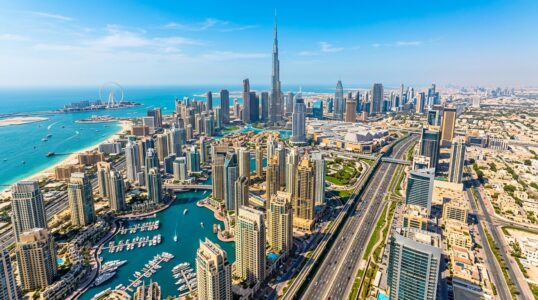
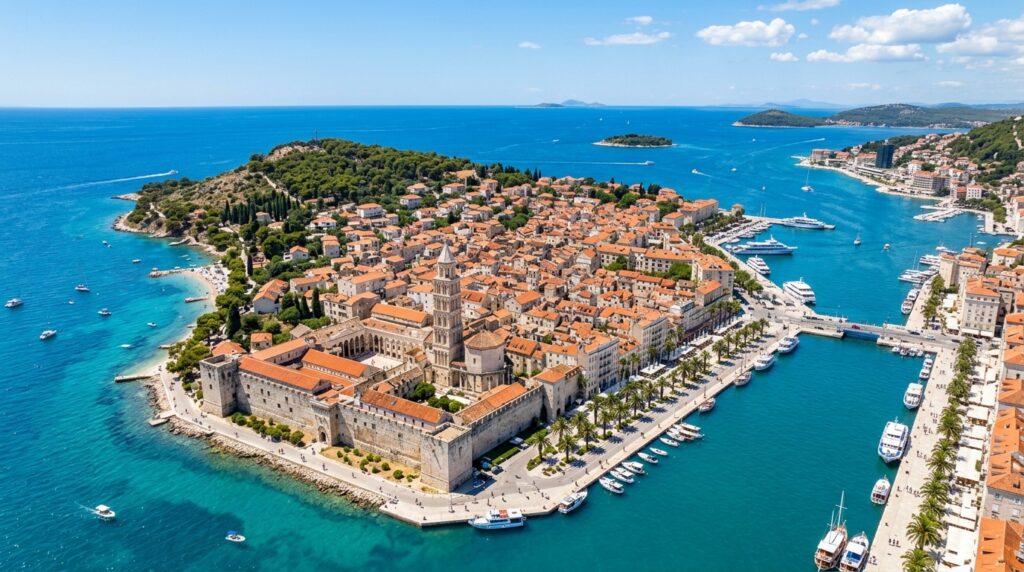
The Dalmatian coast remains the headline destination. Dubrovnik’s old city and the surrounding area command the highest prices per square metre in Croatia, and supply is severely constrained by heritage protection rules. Split, now connected to more European capitals than ever by direct flights, has become the primary hub for foreign buyers seeking both lifestyle and yield. The Istrian Peninsula in the north has attracted significant German and Austrian investment, drawn by its proximity to central Europe and its gentler, less-crowded character compared to Dalmatia. The islands — Hvar, Brač, and Korčula in particular — offer luxury villa opportunities at price points that remain far below comparable Mediterranean island properties in Greece or Italy. Investors who have explored investing in Dubai or other high-growth international markets will recognise the same structural dynamic at work here
For those seeking value rather than prestige, the coastal towns north of Split and the interior regions around Šibenik and the Dalmatian hinterland offer properties at significantly lower entry prices with strong potential appreciation as infrastructure continues to improve.
Why Croatia Remains the Best Country in Europe for Real Estate Investment
The original case for Croatia as Europe’s most compelling real estate investment destination was built on affordability, natural beauty, and tax advantages. Those foundations remain intact. What has changed is the confidence behind them: EU membership, the euro, a decade of political stability, record tourism numbers, and a property market that consistently outpaces the European average. The perception of Croatia as risky or peripheral that lingered long after its 1990s conflicts is essentially gone among informed international investors.
The supply of quality coastal and island real estate is genuinely limited — protected coastline cannot be replicated, and the Croatian government has been consistent in restricting overdevelopment. That combination of constrained supply and rising demand from across Europe and beyond gives Croatian property a structural appreciation argument that few other European markets can match at anything close to current price levels.
This article is for informational purposes only and does not constitute investment or tax advice. Property investment carries risk, and tax treatment depends on individual circumstances and applicable law. Always seek independent legal and financial advice before purchasing real estate in a foreign country.